
Cloud accounting software in Singapore, compared honestly
Krovenza reads the Singapore product pages of the cloud platforms sold and supported here, checks how each one handles GST and InvoiceNow, and writes down what we find. If a platform has a gap, we say so.
Compare platforms side by sideWhat buyers in Singapore actually need from cloud accounting
Start with your obligations, not the feature list. Most of the differences that matter here only show up once you know what you are legally and operationally on the hook for.
GST returns that match IRAS expectations
If your taxable turnover crosses the registration threshold, or you expect it to, the software has to produce GST returns that line up with IRAS without a spreadsheet patch job afterwards.
InvoiceNow readiness
If you invoice other businesses, e-invoicing readiness moves up the list. InvoiceNow is becoming the default channel for B2B transactions in Singapore, so check it before you sign, not after.
Bank feeds and reconciliation
Feeds from Singapore banks cut manual entry, and reconciliation is where most small teams lose hours every month. Ask which banks are supported and how often the feed refreshes.
Multi-user access and audit trail
Once a bookkeeper, an accountant and a director all need the same numbers, permissions and a readable audit trail decide whether month-end runs smoothly or turns into email attachments.
Cloud and desktop are different maintenance deals
Desktop and hybrid systems keep data on one machine or server, so you own the backups and the upgrade cycle. Cloud platforms push updates automatically, which is convenient until a feature you relied on changes. Both models can work for Singapore SMEs; the question is who maintains it and how fast you need remote access.
What a proper evaluation looks like
We compare cloud accounting software in Singapore on GST handling, InvoiceNow status, bank feeds, user roles, export options and how support is actually delivered during a filing deadline. Vendors do not see drafts and do not get to re-score a product. If something changes, we check it and update the review.
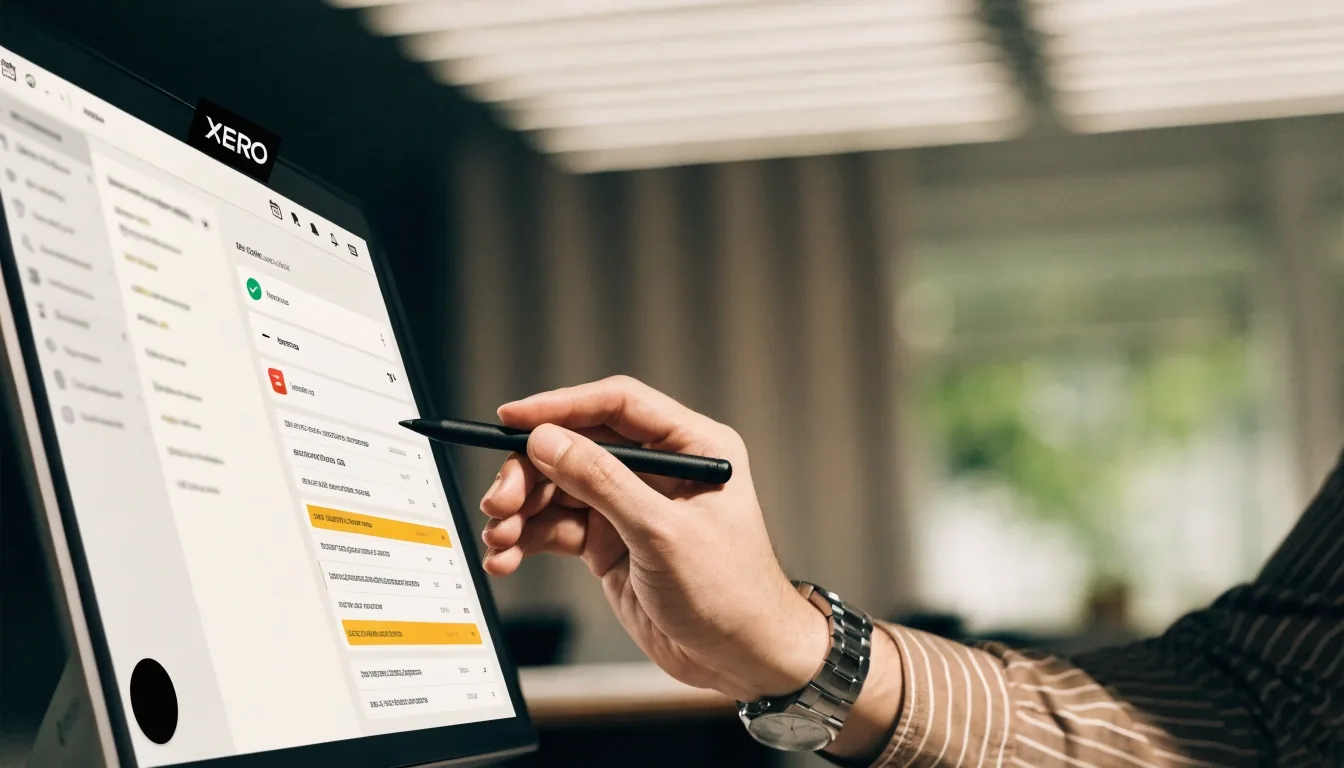
Every review on this site starts from the platform's own Singapore product page and the documents a business actually has to file.
The platforms we cover, and why they made the list
Our coverage set is small on purpose. A short list we can actually read through beats a directory nobody maintains, and we add a platform when Singapore businesses keep asking about it.
Platform ReviewsXero
Singapore product page Invoicing · bank reconciliation · reporting
Widely used by local SMEs and accounting firms, with multi-factor authentication and a Singapore-specific offering. We cover it because it turns up in almost every shortlist we hear about.
Zoho Books
Free plan for very small teams Startups and sole traders
Appears often in Singapore comparisons and is flagged for a free tier that suits very small teams and startups. Useful to know before you assume you need to pay on day one.
Financio
Singapore-focused Accounting with payroll
A local cloud platform that markets accounting and payroll together for startups and SMEs. Worth a look if you would rather run both in one place than juggle two subscriptions.
A2X
Ecommerce automation Not a general ledger
A settlement and reconciliation tool for sellers on Shopify, Amazon, Etsy, eBay, Walmart and PayPal. If you sell across several channels, that is a different problem from standard bookkeeping and it gets its own review.
The local providers who package these platforms
Alongside the software, we cover the providers who implement it. Wealthbridge Corporate Services Pte. Ltd., KLOUDEX Pte. Ltd., Everyday Corporate Pte. Ltd. and Aggregate Cloud Accounting Software (Xero) all appear in the SMEs Go Digital solution directory with Xero-based offerings. They matter because onboarding, migration and ongoing support are often what make or break a rollout, even when the software underneath is identical.
Match the platform to the shape of your business
A two-person startup and a 40-person trading company should not buy the same thing. Here is how we split the market, and which questions belong to which kind of buyer.
Startups and very small teams
You want fast setup, simple invoicing and payroll in the same place, so you are not juggling two subscriptions in month one. A free or low-cost tier can carry you until the books get complicated.
Growing SMEs with inventory
Stock tracking has to tie into cost of goods, and cash flow forecasting has to reflect payment terms rather than just current balances. That usually rules out the lightest plans.
Accounting firms and ecommerce sellers
Firms need multi-user access with clean permissions across many clients. Online sellers have settlement timing, fees and refunds to reconcile, which is a different job from GST codes.
Local support is the quiet differentiator
A platform can have excellent documentation and still leave you stuck if nobody in your timezone can answer a question during the working week. Ask how support is delivered, whether there is a phone number, and whether the people answering know Singapore GST and InvoiceNow specifics or are reading from a global script.
Then check the boring things. Does the platform support multi-factor authentication? Can you export your full data if you leave? How are user roles handled when a staff member departs? Does the audit trail survive a period lock? None of these are exciting questions, but they decide whether year-end is calm or chaotic.
Finally, weigh the provider layer. Buying Xero directly is one path; buying it through a local provider that handles onboarding, chart-of-accounts setup and GST configuration is another. The software is the same. The experience is not.
Questions worth asking any vendor before you sign
- How is support delivered during the working week, and is there a phone number?
- Does the platform support multi-factor authentication?
- Can you export your full data if you decide to leave?
- How are user roles and permissions handled when a staff member departs?
- Does the audit trail survive a period lock?
We write these questions into every platform review, so you can compare answers side by side instead of collecting them from sales calls.
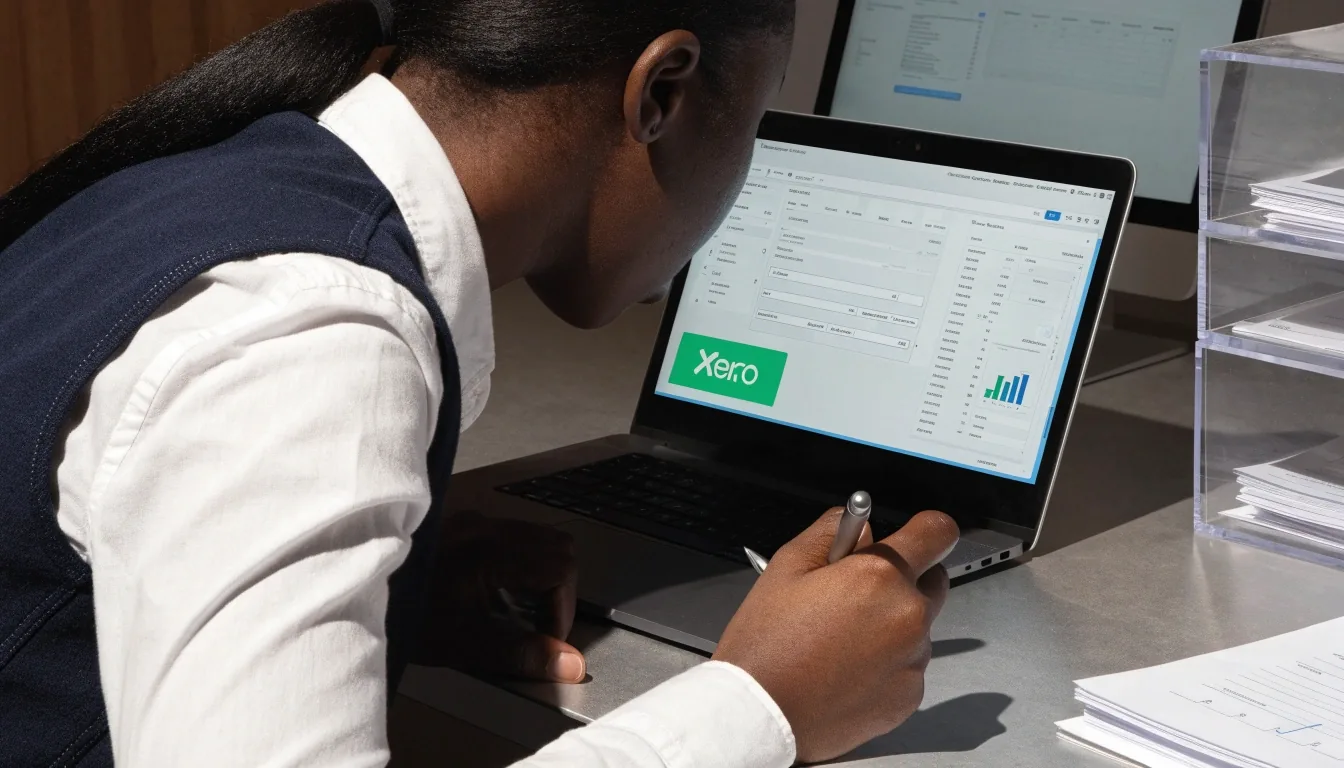
Reviews are revisited when a platform changes its Singapore offering in a way that affects a buying decision.
How to use this site
Three entry points, depending on where you are. Pick the one that matches your situation and skip the rest.
Read the GST and InvoiceNow guideStarting from zero
Read the GST and InvoiceNow guide first. It explains what the software has to produce before you look at any pricing page, then come back to the comparison table with a clearer picture of what you actually need.
Ready to pick a platform
Go straight to the platform comparison and the individual reviews. Each review follows the same order, so you can compare GST handling, bank feeds and support terms line by line.
Weighing a local provider
Our methodology page explains what we look at and what we leave out, including how we treat the provider layer against a direct subscription. If you spot something out of date or wrong, the contact form reaches the editorial team and we will check it.
Questions we get asked
Short answers to the things Singapore business owners ask us most often. If your question is not here, the contact form reaches the editorial team directly.
Which cloud accounting software suits Singapore SMEs with GST needs?
Look for a platform that produces GST returns aligned with IRAS expectations and keeps a clean audit trail. Xero, Zoho Books and Financio all appear in Singapore-focused comparisons; check each one's current Singapore page for GST handling before you commit.
Which platforms support InvoiceNow or local e-invoicing workflows?
InvoiceNow readiness varies by product and by plan. Xero is referenced in Singapore guide content as InvoiceNow-ready or accredited context. Confirm the current status directly with the vendor or your local provider, since this changes over time.
What is the difference between cloud accounting software and desktop or hybrid systems?
Cloud platforms run in a browser, update automatically, and allow multi-user access from anywhere. Desktop and hybrid systems keep data on your own machine or server, so you manage backups and upgrades yourself. Both can be valid; cloud usually suits teams that need remote access and shared books.
How important are local support and a business phone number when choosing a vendor?
More important than most buyers expect. A local provider who can be reached by phone during the working week matters when a GST deadline is close. Ask how support is delivered before you sign, not after.
Contact the editorial team
If you spot something out of date or wrong in a review, send it through the form. We check the platform's current Singapore pages before changing anything, and we do not re-score a product because a vendor asked us to.
Corporate registration details
Krovenza Pte. Ltd.
71 Robinson Road, #14-01, Singapore 068895
Registered in Singapore. Official registration and support details for the cloud accounting software we cover are stated on each platform's own Singapore pages, and we link to them from our reviews.
Krovenza Pte. Ltd. writes about cloud accounting software for Singapore businesses. We do not sell the software, we do not take placement fees, and we do not promise a particular platform will suit your company. What we can do is read the Singapore pages carefully and tell you where the differences are, so your next call to a vendor starts from a better question.